Effective Weevil Control in Stored Grain: Strategies for Success
In the agricultural landscape, particularly in the realms of farm equipment repair and farming equipment, the challenge of pests—especially weevils—is one that cannot be ignored. Weevils can cause significant damage to stored grain, leading to considerable financial losses for farmers. In this article, we’ll delve deeply into effective strategies for weevil control in stored grain, ensuring that your investment is protected, and your yields are maximized.
Understanding Weevils: The Enemy of Stored Grain
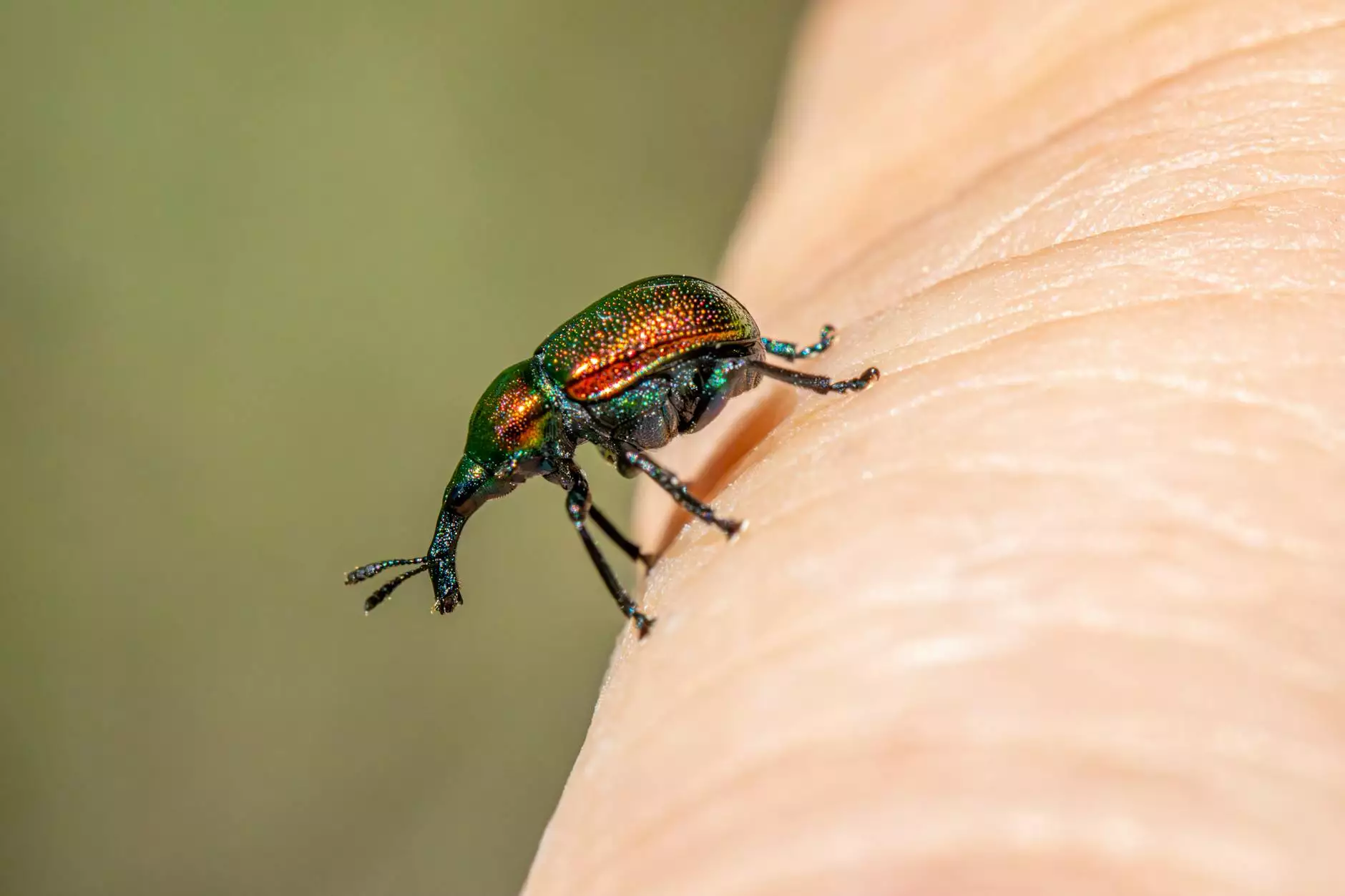
Weevils are a type of beetle that infest grain during storage, with several species posing a threat to farmers and grain handlers alike. The most common types affecting stored grain include:
- Rice Weevil - Known for infesting rice, but can also affect other grains.
- Granary Weevil - Targets wheat and other cereals, causing extensive damage.
- Corn Weevil - Primarily found in corn, they can compromise entire batches if left unchecked.
These pests lay eggs within the grain kernels, and when the larvae hatch, they feed on the grain, leading to quality deterioration. Consequently, implementing effective weevil control in stored grain is essential for safeguarding your harvest.
Signs of Weevil Infestation
It is crucial to identify an infestation in its early stages to effectively employ control measures. Here are some signs that indicate a potential weevil problem:
- Visible Holes - Small holes in grain kernels or containers.
- Webbing - Fine webbing which may indicate the presence of larvae.
- Powdery Residue - A flour-like substance at the bottom of storage containers.
- Adult Weevils - The presence of adult beetles in stored grain.
Best Practices for Weevil Control in Stored Grain
To ensure effective management of these pests, consider adopting the following best practices:
1. Clean and Sanitize Storage Areas
The first step in preventing weevil infestations is ensuring that your storage areas are clean and free from leftover grains and debris. Conducting a thorough cleaning includes:
- Removing all grain from storage bins.
- Vacuuming the interiors of silos and bins.
- Disinfecting surfaces with solutions designed to kill pests and their eggs.
2. Inspect Incoming Grain
When bringing in new grain, it’s essential to inspect it carefully for any signs of weevils. Implementing a solid inspection protocol involves:
- Visual checks for adult insects.
- Sampling and testing for infestation in larger quantities.
- Using traps to monitor for weevil presence.
3. Temperature and Moisture Control
Weevils thrive in specific environmental conditions. By controlling temperature and moisture levels in storage facilities, you can deter their activity. Here’s how to manage these factors:
- Maintain Low Temperatures - Ideally, grain should be stored at temperatures below 60°F (15°C).
- Limit Moisture Content - Keep grain moisture below 13% to hinder weevil survival.
- Use Aeration Systems - Aerating grain bins can help cool down and reduce moisture levels effectively.
4. Chemical Control Measures
If infestations are detected, chemical treatments may be necessary. Consult with agricultural experts before implementing any chemical controls, and consider:
- Pesticides - Use approved pesticides specifically labeled for grain storage.
- Insect Growth Regulators (IGRs) - These can disrupt the lifecycle of weevils, preventing them from maturing and reproducing.
- Fumigation - In severe cases, gas fumigation is an effective method for entire bins or silos.
5. Regular Monitoring and Maintenance
Routine inspection and maintenance can detect potential infestations early. Implementing a regular monitoring schedule involves:
- Establishing a timeline for inspections (e.g., bi-weekly or monthly).
- Using traps placed strategically throughout storage areas to catch any adult weevils.
- Keeping detailed records of inspections to identify any patterns or recurring issues.
Enhancing Storage Practices to Prevent Infestations
In addition to the above measures for weevil control in stored grain, improving your overall storage practices can create an inhospitable environment for pests. Consider these enhancements:
1. Use of Pest-Resistant Containers
Using pest-resistant storage containers can help minimize infestation risks. Opt for containers that are:
- Seal-tight - Preventing entry of pests from the external environment.
- Durable - Made from strong materials that resist damage.
- Transparent - allowing for easy visual inspection of contents.
2. Implementing Integrated Pest Management (IPM)
IPM is a holistic approach focused on long-term prevention and control of pests. It integrates various strategies to minimize damage, including:
- Biological Controls - Utilizing natural predators, such as certain bird species, to keep pest populations in check.
- Cultural Practices - Rotating crops and using resistant varieties to reduce susceptibility.
- Physical Controls - Employing physical barriers, such as fine mesh screens to keep weevils out.
3. Staff Training and Awareness
Educating staff about the risks of weevils and training them on prevention techniques ensures a proactive approach to control. Effective training should include:
- Recognizing Infestation Signs - Being able to identify early warning signs.
- Implementing Sanitation Practices - Understanding the importance of cleanliness in storage areas.
- Reporting Procedures - Encouraging staff to report any concerns promptly.
The Bottom Line: Sustaining Success through Proactive Measures
In summary, effective weevil control in stored grain is paramount for the success of any farming operation. By understanding the life cycle of these pests, employing rigorous cleaning methods, maintaining optimal storage conditions, and utilizing chemical controls when necessary, farmers can significantly reduce the incidence of infestations. Furthermore, enhancing storage practices and fostering a culture of awareness and proactive pest management will help secure not only the current harvest but also future yields.
At tsgcinc.com, we are dedicated to supporting farmers through innovative solutions in farm equipment repair and optimizing farming equipment. By following these guidelines and techniques, you can safeguard your grain and ensure a prosperous farming future.
Take Action Today for a Pest-Free Tomorrow
Empower yourself with the knowledge necessary for effective weevil control. Make proactive decisions today that will secure the health of your grain and the sustainability of your farming operations. Remember, investing time in weevil control in stored grain today will yield fruitful returns tomorrow.