The Art of Authentic Wasabi in Sushi Cuisine
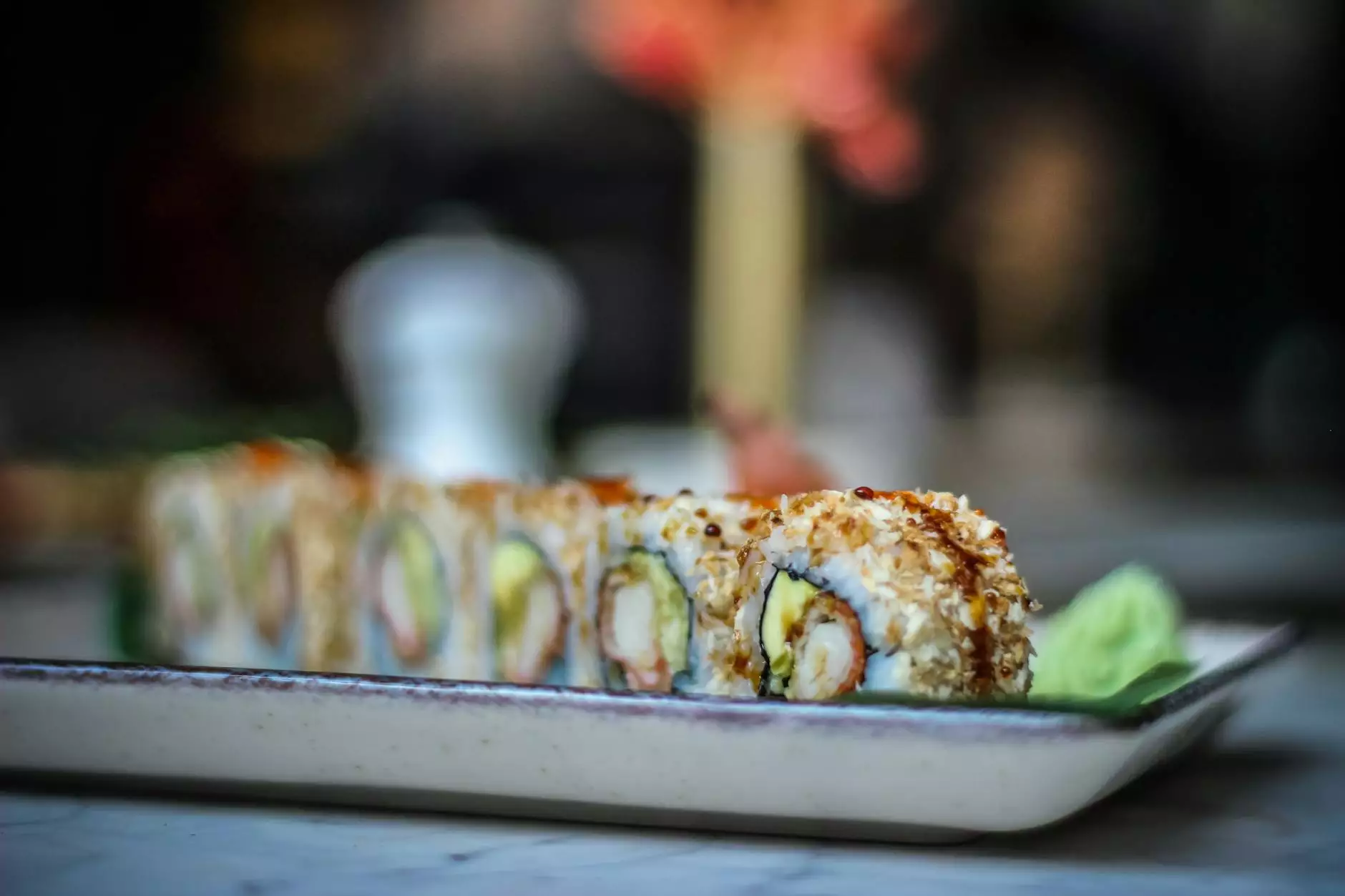
In the world of culinary excellence, few ingredients can claim the title of being as revered and sought after as authentic wasabi. Frequently misunderstood and misrepresented, this unique condiment epitomizes the essence of true Japanese dining, particularly in sushi bars and Japanese restaurants. This article delves deeper into what makes authentic wasabi so special, its historical significance, and how it can elevate the dining experience.
Understanding Authentic Wasabi
Authentic wasabi, scientifically known as *Wasabia japonica*, is a plant primarily grown in Japan. This rhizome is often confused with horseradish, which is commonly used as a substitute due to its similar flavor profile and considerably lower cost. However, the true taste of authentic wasabi is one that stands apart — it offers a fresh, complex flavor that is both aromatic and mildly pungent, without the intense burn of horseradish.
Historical Background of Wasabi
Wasabi has a rich history in Japanese culture, dating back over a thousand years. Initially used for its preservative qualities in a time when refrigeration wasn't available, it has evolved into much more than just a condiment. In Japan, authentic wasabi has been used in traditional medicine for its antimicrobial properties and is believed to enhance the flavor profiles of culinary dishes.
The Importance of Authentic Wasabi in Sushi Preparation
When it comes to sushi, the flavor of the rice, fish, and the accompanying condiments play an essential role in the overall dining experience. Authentic wasabi is a crucial component in this trifecta. Here’s why:
- Flavor Enhancement: True wasabi’s subtle heat complements the taste of sushi without overwhelming it.
- Aromatic Qualities: Its delicate fragrance enhances the dining experience, creating a multidimensional flavor profile.
- Health Benefits: Authentic wasabi is packed with anti-inflammatory and antimicrobial properties that can aid digestion.
How to Differentiate Authentic Wasabi from Imitations
The market is saturated with substitutes that masquerade as authentic wasabi. Here are some pointers to recognize true wasabi:
- Color: Authentic wasabi has a vibrant green hue, unlike the often neon colors of imitation wasabi.
- Texture: True wasabi should be smooth with a slight graininess. When freshly grated, it has a moist consistency that should not dry out quickly.
- Taste: The flavor should be fresh and vibrant, delivering a gentle, lingering heat rather than an overpowering kick.
The Culinary Uses of Authentic Wasabi
The versatility of authentic wasabi makes it a valuable ingredient in a myriad of dishes, not just sushi. Here are some popular uses:
- Sushi and Sashimi: Used as a condiment to accompany fresh fish.
- Soups: Incorporating wasabi into broth adds depth and a unique flavor twist.
- Marinades and Sauces: It can be blended into dressings to elevate salads and grilled dishes.
- Garnishes: Fresh wasabi leaves can be used as an elegant and flavorful garnish for various dishes.
How to Store Authentic Wasabi
To preserve the incredible flavor of authentic wasabi, proper storage techniques are vital. Follow these tips for maintaining its freshness:
- Keep it Refrigerated: Store fresh wasabi in the coldest part of your refrigerator. Ideally, it should be stored in a damp paper towel within a sealed container.
- Avoid Freezing: Freezing alters the texture and flavor, so it is best to keep it fresh.
- Use it Quickly: For optimal flavor, consume it within a week of grating.
Where to Find Authentic Wasabi
For those passionate about experiencing authentic Japanese cuisine, knowing where to find true wasabi is essential. Here are some recommendations:
- Specialty Japanese Markets: Many local Japanese grocery stores carry authentic wasabi products.
- Online Retailers: Websites like realwasabi.com offer high-quality authentic wasabi sourced directly from Japan.
- Fine Dining Establishments: Look for sushi bars and restaurants that emphasize authenticity in their dishes — they often use real wasabi.
The Environmental Impact of Authentic Wasabi Farming
Authentic wasabi is not only a cultural treasure but also a product that necessitates careful environmental stewardship. The cultivation of wasabi requires specific growing conditions, including cool mountain streams and shaded environments, making it a unique agricultural endeavor.
With the increasing popularity of authentic wasabi, sustainable farming practices are critical. Many farmers are adopting eco-friendly methods that ensure the preservation of their natural habitats while producing high-quality wasabi.
Embracing the Trend of Authentic Wasabi in Restaurants and Sushi Bars
As consumers become more discerning in their dining choices, the demand for authentic ingredients continues to rise. Forward-thinking restaurants and sushi bars are beginning to embrace authentic wasabi, not just for its flavor but also for the story behind the ingredient. This has led to an increase in consumer education about authentic vs. imitation wasabi.
Chefs are increasingly focusing on sourcing genuine ingredients that resonate with their guests’ desires for authenticity and quality. The introduction of authentic wasabi to menus can significantly enhance a restaurant’s reputation as an innovative and high-quality dining establishment.
Conclusion: The Future of Authentic Wasabi in Japanese Cuisine
The cultural significance and culinary applications of authentic wasabi cannot be overstated. As a pivotal component of sushi and many other Japanese dishes, its unique flavor and texture play an essential role in dining experiences. With consumers becoming more aware of the importance of authentic ingredients, the future of authentic wasabi appears bright.
As we savor our sushi and appreciate the complexity of authentic wasabi, it’s essential to support those who grow and cultivate this remarkable plant. By choosing authentic wasabi products, such as those from realwasabi.com, we not only enjoy a superior culinary experience but also contribute to the sustainable future of this traditional Japanese ingredient. Let’s embrace the richness of authentic wasabi and keep its legacy alive in the world of gastronomy!