Full Mouth Dental Implants: Transform Your Smile and Life
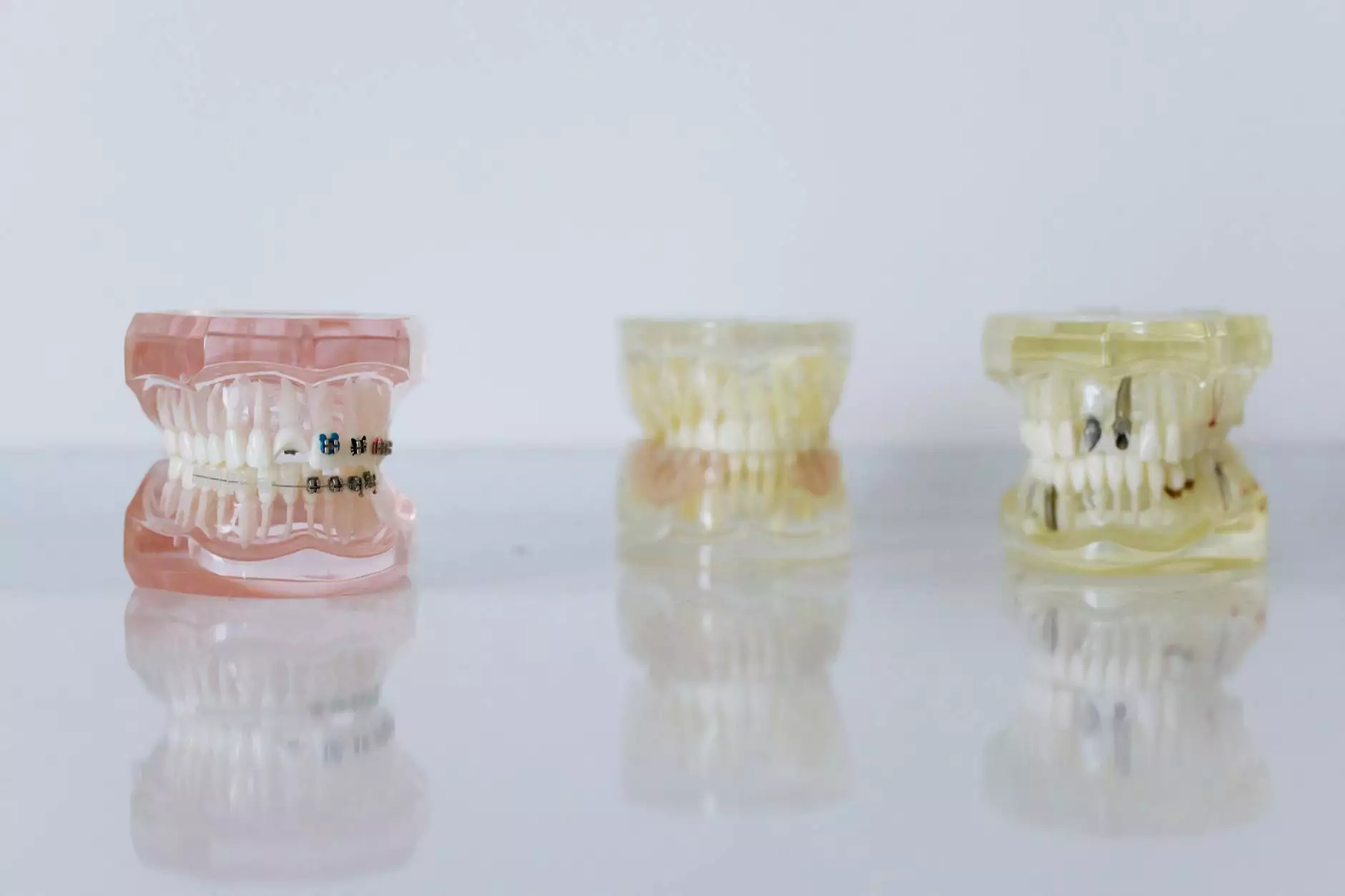
Full mouth dental implants are a groundbreaking solution for those facing dental challenges. They offer an opportunity to regain not just a smile but a sense of self-confidence and improved quality of life. This extensive guide will delve into everything you need to know about full mouth dental implants, from what they are and the procedure involved to the benefits and aftercare necessary to maintain your new smile.
What Are Full Mouth Dental Implants?
Full mouth dental implants are a type of dental restoration that involves placing implants in the jawbone to support a complete set of artificial teeth. Unlike traditional dentures, which sit on the gums, implants are anchored to the bone, providing a stable and secure foundation. This method has revolutionized restorative dentistry, offering patients a permanent solution for missing teeth.
The Components of Full Mouth Dental Implants
- Dental Implants: These are titanium posts surgically inserted into the jawbone.
- Abutments: Small connectors placed on top of the implants to support the prosthetic teeth.
- Prosthetic Teeth: Custom-made crowns, bridges, or dentures that attach to the abutments.
Why Choose Full Mouth Dental Implants?
The benefits of full mouth dental implants extend far beyond aesthetics. Here are some compelling reasons why individuals are opting for this state-of-the-art dental solution:
Enhanced Functionality
Dental implants function much like natural teeth, allowing patients to eat, speak, and smile with confidence. There are no dietary restrictions, and patients can enjoy their favorite foods without worry.
Long-lasting Durability
With proper care, full mouth implants can last a lifetime, making them a worthwhile investment in oral health. This durability stems from the biocompatibility of titanium, which fuses with the bone in a process called osseointegration.
Improved Aesthetics
Full mouth dental implants offer a natural look and feel, allowing patients to regain their smile. The custom design of prosthetic teeth ensures they match the patient's existing teeth in color and shape, providing a seamless appearance.
Bone Health Preservation
Unlike traditional dentures, dental implants stimulate the jawbone, preventing bone loss that often occurs after tooth loss. This preservation of bone health is crucial for maintaining facial structure and appearance.
The Procedure for Full Mouth Dental Implants
Understanding the procedure can alleviate concerns and prepare patients for their journey towards a new smile. Here is a detailed breakdown of the process:
Consultation and Planning
The journey begins with an initial consultation, where your dentist will assess your oral health and discuss your goals. This may involve:
- A comprehensive dental examination
- X-rays and 3D imaging to evaluate bone structure
- Creating a tailored treatment plan
Surgical Procedure
The surgical process typically unfolds in the following phases:
- Anesthesia: Local anesthesia and sedation are administered for patient comfort.
- Implant Placement: Implants are surgically placed into the jawbone. Depending on the plan, this could involve placing 4-6 implants for the entire arch.
- Healing Period: A healing period of several months is necessary for osseointegration, allowing the implants to fuse with the bone.
Abutment and Prosthetic Placement
Once healing is complete, a minor procedure is performed to attach the abutments to the implants. Afterward, molds are taken to create the custom prosthetic teeth that will be placed.
Cost of Full Mouth Dental Implants
The cost of full mouth dental implants can vary significantly based on various factors, including:
- Location of the dental practice
- The experience of the dental professional
- The complexity of the case
- Additional procedures such as bone grafting or tooth extraction
On average, patients can expect to spend anywhere from $20,000 to $40,000 for a complete set of dental implants. It’s crucial to consult with your dental provider to obtain a precise estimate based on your specific needs.
Aftercare for Full Mouth Dental Implants
Aftercare is vital to the longevity and health of your full mouth dental implants. Here’s what to keep in mind:
- Oral Hygiene: Maintain excellent oral hygiene by brushing and flossing regularly.
- Regular Check-ups: Schedule regular dental check-ups for monitoring
- Avoid Hard Foods: In the initial healing phase, refrain from consuming hard or crunchy foods that may stress the implants.
FAQs About Full Mouth Dental Implants
1. Who is a candidate for full mouth dental implants?
Suitable candidates include individuals with multiple missing teeth, sufficient bone density, and a commitment to maintaining oral hygiene.
2. Are full mouth dental implants painful?
With modern anesthesia, most patients report minimal discomfort during the procedure. Post-operative pain can typically be managed with over-the-counter medications.
3. How long does the entire process take?
The total duration for full mouth dental implants can range from several months to over a year, depending on the healing time and the complexity of the case.
4. How do I care for my full mouth dental implants?
Care involves routine brushing, flossing, and regular dental visits. Good oral hygiene helps prevent peri-implant diseases.
Conclusion
Full mouth dental implants are not just about restoring teeth; they significantly enhance an individual's lifestyle and self-esteem. By opting for implants, you are investing in a long-term solution that promotes oral health and bolsters confidence. If you are considering full mouth dental implants, consult with a qualified dental professional to explore your options and begin your journey towards a radiant smile that can last a lifetime.
At wupdoc.com, we are committed to providing comprehensive care and expert solutions for all your dental needs. Transform your smile with full mouth dental implants today!