Effective Solutions for Wheat Weevil Control in Farming
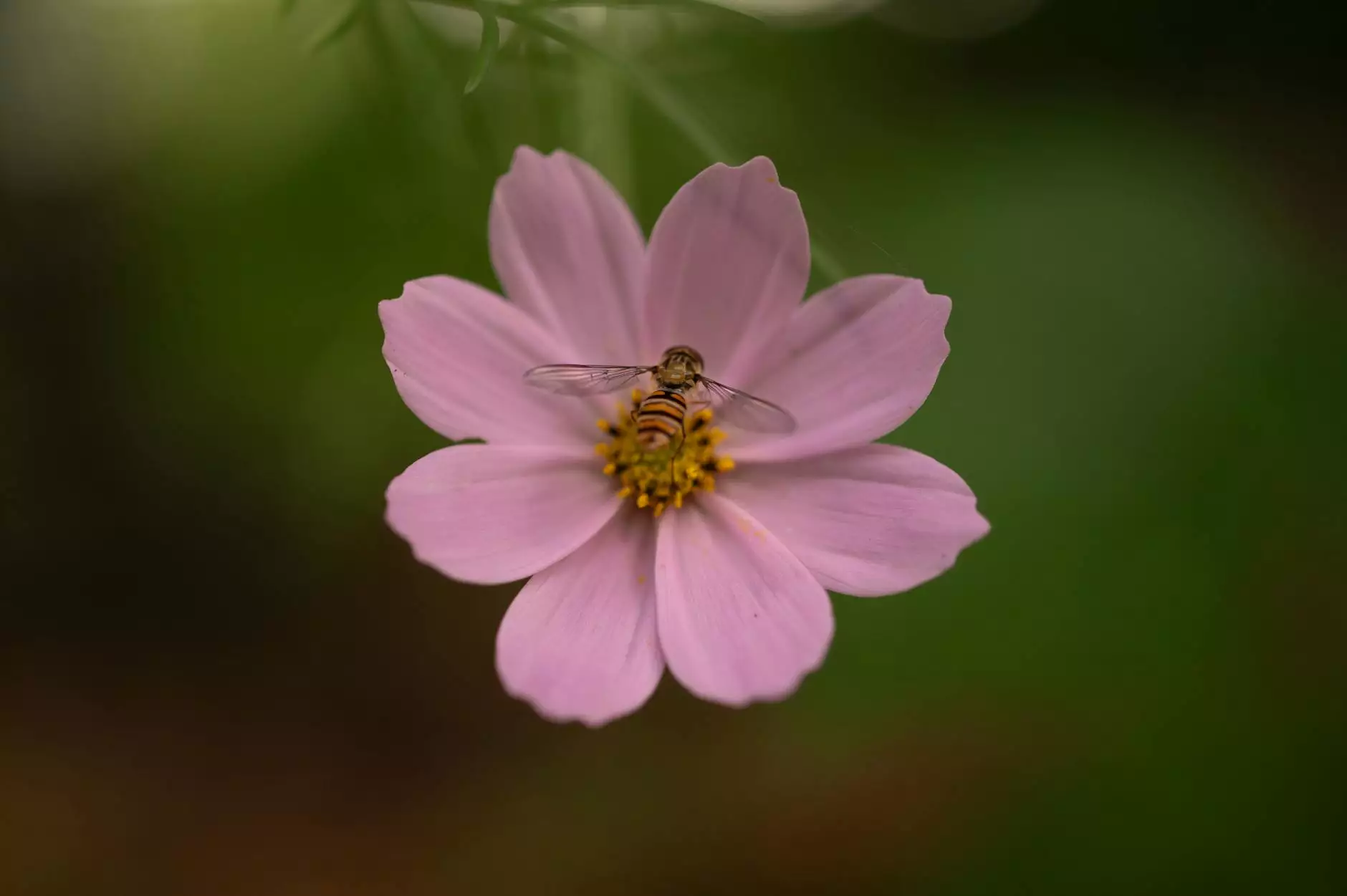
In the world of agriculture, pest management is a crucial component to ensure healthy crops and maximize yield. One of the most notorious pests that farmers face is the wheat weevil. Known for its destructive capabilities, this small insect can wreak havoc on wheat stocks and other grain products. In this article, we will delve into the various methods of controlling wheat weevil infestations and discuss the importance of using farm equipment effectively to protect your investment.
Understanding the Wheat Weevil
The wheat weevil (Sitophilus granarius) is a type of beetle that primarily infests stored grains. Understanding the life cycle and behavior of this pest is essential for effective control:
- Egg Stage: Female weevils lay eggs in whole grains.
- Lava Stage: The eggs hatch into larvae, which burrow into the grain, feeding as they grow.
- Pupal Stage: After a few weeks, larvae mature and undergo pupation within the grain itself.
- Adult Stage: Emerging adults can continue the cycle, often creating significant infestations.
The Impact of Wheat Weevil Damage
The damage caused by wheat weevils is more than just the visible destruction of grains. Here are some critical impacts:
- Reduced Yield: Infestations can drastically reduce the amount of grain that can be harvested.
- Quality Degradation: Infested grain can lose its market value due to contamination.
- Increased Costs: Farmers may incur additional costs for pest control measures and reduced yields.
Identifying Wheat Weevil Infestations
Proactive management starts with identifying the presence of weevils. Here are some signs to look for:
- Presence of small holes in the grain kernels.
- Powdery residue around grain storage areas, which is a sign of weevil activity.
- Finding live or dead weevils near stored grains.
Effective Wheat Weevil Killing Strategies
Controlling wheat weevil populations involves a combination of preventative measures and direct interventions. Here are some of the most effective strategies:
Pest Management Techniques
A comprehensive pest management plan focuses on both prevention and active treatment:
- Sanitation: Regularly clean storage areas to remove grain residues and debris.
- Monitoring: Utilize traps and regular inspections to keep track of weevil populations.
- Insecticides: When infestations are detected, consider using insecticides labeled for use against weevils.
Temperature and Humidity Control
Wheat weevils thrive in warm and humid environments. By controlling these factors, farmers can reduce the risk of infestations:
- Storing Grain Cool and Dry: Maintaining temperature below 60°F (15°C) and humidity below 10% can inhibit weevil activity.
- Using Airflow: Proper ventilation in storage facilities can help regulate temperature and moisture levels.
Utilizing Farm Equipment for Pest Control
Farm equipment plays a crucial role in managing wheat weevil populations effectively. Here’s how:
Regular Equipment Maintenance
Ensuring that farming equipment is in good working condition is vital for pest management:
- Inspect and Repair Equipment: Regular inspections help identify equipment malfunctions that could lead to pest attractants.
- Clean Equipment Thoroughly: Remove any grain residues from machinery, which might attract weevils.
Advanced Technology in Pest Control
Modern technology offers advanced solutions for pest management:
- Automated Monitoring Systems: Use sensors and moisture regulators to maintain optimal conditions for grain storage.
- Drones and Aerial Spraying: Innovations in aerial technology allow for targeted pesticide application over large areas.
Natural Remedies for Wheat Weevil Control
For farmers interested in sustainable practices, natural remedies can also be effective:
- Neem Oil: Known for its insecticidal properties, neem oil can disrupt the life cycle of weevils.
- Diatomaceous Earth: This natural powder can be spread around grain storage to deter weevils.
The Role of Professional Services
When in doubt, turning to professionals for pest control services can be beneficial:
- Expert Assessments: Professional pest management services can provide unique insights into specific infestations.
- Tailored Solutions: Experts create personalized pest management plans suited to individual farms.
Conclusion: Protecting Your Crop from Wheat Weevil Infestations
In conclusion, managing wheat weevil infestations requires a comprehensive approach that combines prevention, monitoring, and immediate response. By understanding the biology of the wheat weevil and implementing integrated pest management strategies — including sanitation, proper storage, and the use of effective machinery — farmers can protect their crops and ensure a profitable harvest. If you're looking to enhance your pest management strategies or need repairs on your market equipment, visit us at tsgcinc.com for expert assistance and reliable service.
References for Further Reading
For those interested in a deeper understanding of pest management, consider the following resources:
- Managing Insect Pests in Stored Grain - University Extension Resources
- Integrated Pest Management: Wheat Weevils - Local Agricultural Research Stations
- Latest Innovations in Pest Control Technology - Agricultural Journals
© 2023 TSGC Inc. All rights reserved.
wheat weevil killer