Understanding Thoracic Clinics: A Comprehensive Guide
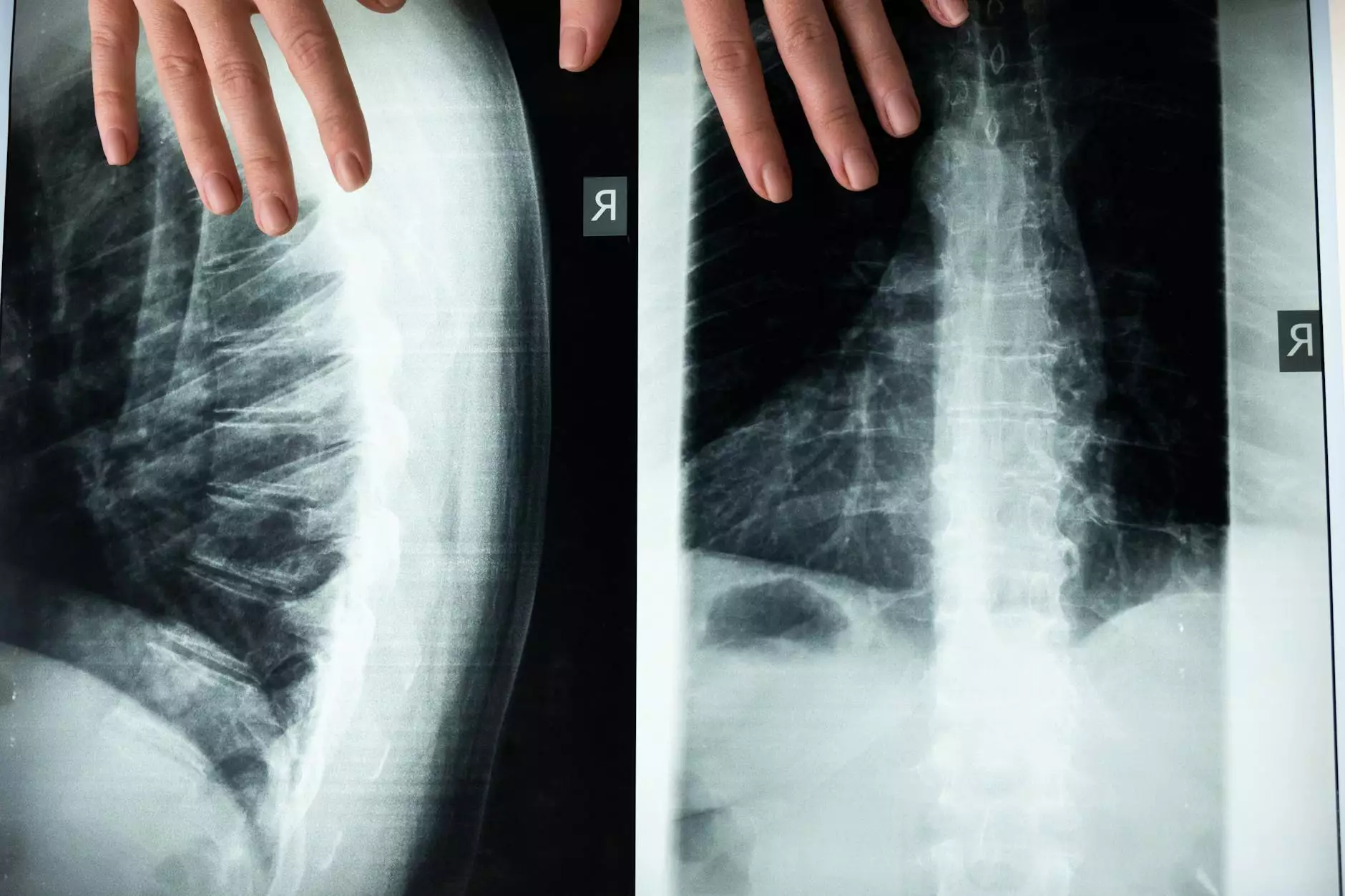
In the world of healthcare, thoracic clinics play a crucial role in diagnosing, treating, and managing a variety of conditions related to the chest, lungs, and cardiovascular system. These specialized clinics are often staffed by a team of experts who are well-versed in the nuances of thoracic medicine, including cardiothoracic surgeons, pulmonologists, and other healthcare professionals.
What is a Thoracic Clinic?
A thoracic clinic is a medical facility that focuses specifically on the diagnosis and treatment of diseases affecting the thoracic area. This includes organs such as the lungs, heart, esophagus, and diaphragm. The main objectives of these clinics are to provide comprehensive care, advance treatment methods, and enhance patient outcomes through innovative techniques.
The Importance of Thoracic Clinics
Thoracic clinics are vital for patients who require specialized care for complex thoracic conditions. Here are some reasons why these clinics are crucial:
- Expert Care: Patients benefit from consulting with professionals who have extensive experience in thoracic conditions.
- State-of-the-art Equipment: Many thoracic clinics utilize advanced imaging and diagnostic technologies to ensure accurate evaluations.
- Multidisciplinary Approach: These clinics often include a team of specialists from various fields to provide holistic care.
- Research and Innovation: Thoracic clinics are often at the forefront of research, introducing groundbreaking therapies and treatment modalities.
- Personalized Treatment Plans: Each patient receives personalized care tailored to their specific condition and needs.
Common Conditions Treated in Thoracic Clinics
Thoracic clinics address a wide range of conditions, including but not limited to:
- Lung Cancer: Comprehensive diagnostic and treatment services for lung cancer patients.
- Chronic Obstructive Pulmonary Disease (COPD): Management and rehabilitation for patients diagnosed with COPD.
- Interstitial Lung Disease: Specialized care for various forms of lung fibrosis and related conditions.
- Aortic Aneurysms: Surgical interventions and monitoring for aortic aneurysms and other vascular issues.
- Esophageal Disorders: Treatments for conditions like GERD, esophageal cancer, and swallowing issues.
What to Expect During Your Visit to a Thoracic Clinic
Your visit to a thoracic clinic will typically involve several key steps, ensuring that you receive a thorough evaluation and tailored care:
Initial Consultation
During the initial visit, you will meet with a specialist who will conduct a comprehensive evaluation. This may include:
- A detailed medical history review
- Physical examination
- Discussion of symptoms and concerns
Diagnostic Testing
Based on your initial assessment, the doctor may recommend various diagnostic tests, including:
- X-rays: To visualize lung structure and rule out diseases.
- CT Scans: Providing detailed images of the chest organs.
- Pulmonary Function Tests: To assess lung function and capacity.
- Biopsies: As needed for tissue assessment, particularly in cases of suspected cancer.
Treatment Planning
Once a diagnosis is made, your healthcare team will work together to develop a personalized treatment plan. This may involve:
- Medications (e.g., bronchodilators, steroids)
- Rehabilitative programs
- Surgical interventions such as lung resection
- Palliative care approaches for advanced conditions
The Role of Thoracic Surgeons
Thoracic surgeons are integral to the thoracic clinic team. They specialize in performing surgeries on the chest cavity and its organs. Some common surgical procedures include:
- Lobectomy: Removal of a lobe of the lung affected by disease.
- Pneumonectomy: Complete removal of one lung.
- Thoracotomy: A surgical procedure that involves opening the chest wall.
- Minimally Invasive Techniques: Including video-assisted thoracoscopic surgery (VATS) for reduced recovery time and postoperative pain.
Advancements in Thoracic Medicine
The field of thoracic medicine is continually evolving, with new technologies and treatment paradigms enhancing patient care. Some exciting advancements include:
- Robotic-assisted Surgery: Enables greater precision and smaller incisions, leading to quicker recovery times.
- Targeted Therapies: Personalized treatments based on genetic profiling of tumors, especially in lung cancer.
- Telehealth Services: Allowing patients to receive consultations and follow-up care remotely, which is particularly beneficial for those with mobility issues or in remote areas.
Choosing the Right Thoracic Clinic
When looking for a thoracic clinic, consider the following factors to ensure you receive the best possible care:
- Specialization and Expertise: Verify the qualifications and experience of the medical staff in handling your specific condition.
- Facility Accreditation: Ensure that the clinic is accredited by relevant healthcare authorities, indicating high standards of care.
- Patient Reviews: Look for testimonials and reviews from other patients to gauge their experiences.
- Multidisciplinary Approach: Opt for clinics that have a team of specialists, as thoracic conditions often require a collaborative approach.
- Accessibility: Consider the location and ease of access to the clinic, especially for regular follow-up visits.
Conclusion
In the realm of healthcare, thoracic clinics embody the pinnacle of specialized patient care, contributing significantly to the management of complex thoracic issues. The integration of advanced technologies, expert teams, and personalized treatment plans ensures that patients receive the highest level of attention and care. Whether dealing with a chronic lung condition, cancer, or cardiovascular issues, thoracic clinics represent a beacon of hope and healing.
For those seeking specialized thoracic care, neumarksurgery.com stands out as a leader in the field, dedicated to helping patients navigate their health challenges with expert knowledge and compassionate care.