CT Scan for Lung Cancer: A Comprehensive Guide
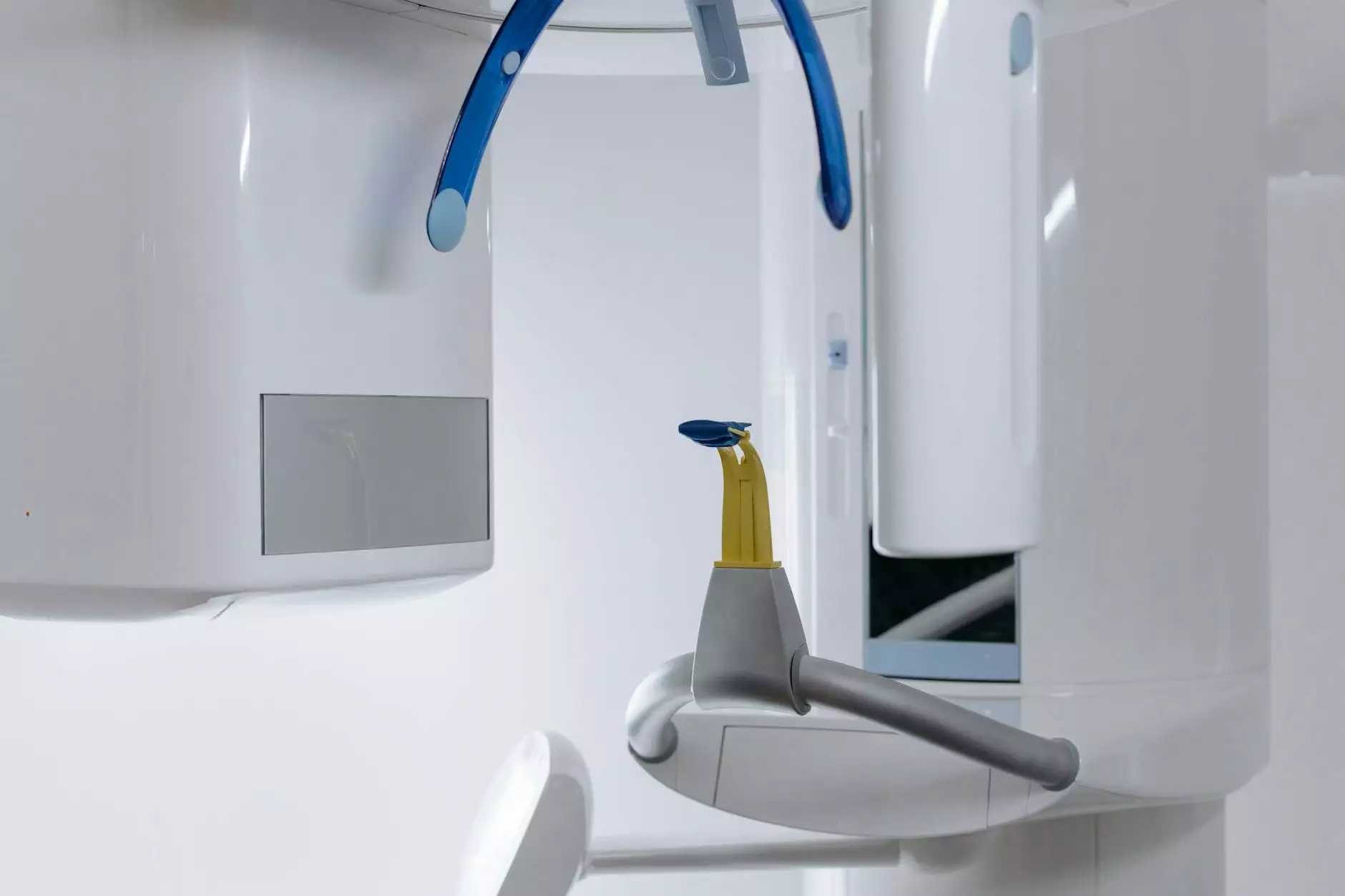
Lung cancer remains one of the leading causes of cancer-related deaths worldwide. Early detection is crucial for improving patient outcomes, and CT scans play an essential role in this process. In this article, we will delve deep into the significance of CT scans for lung cancer diagnosis and management, highlighting their advantages, procedures, and the latest advancements in technology.
Understanding Lung Cancer
Lung cancer is primarily categorized into two major types:
- Non-Small Cell Lung Cancer (NSCLC): This type accounts for about 85% of lung cancer cases.
- Small Cell Lung Cancer (SCLC): This type is less common but tends to grow and spread more quickly.
Early detection improves the prognosis significantly, making screening and diagnostic tools like CT scans vital. Let us explore how a CT scan for lung cancer can assist in early diagnosis and subsequent treatment planning.
What is a CT Scan?
A CT scan, or computed tomography scan, is a sophisticated imaging technique that provides detailed cross-sectional images of the body. Unlike standard X-rays, CT scans create a more comprehensive view, allowing doctors to assess tissues, organs, and blood vessels in great detail.
How Does a CT Scan Work?
The CT scan process involves the following steps:
- Preparation: Patients may be asked to avoid food or drink for a few hours before the scan.
- Contrast Material: Depending on the case, a contrast dye may be injected into the bloodstream to enhance visibility.
- Scanning: The patient lies on a table that moves through a doughnut-shaped machine, which takes multiple X-ray images from various angles.
- Image Processing: The images are processed to create detailed cross-sectional images of the lungs.
The Role of CT Scans in Lung Cancer Diagnosis
CT scans are a cornerstone in the diagnosis and management of lung cancer. Here’s how:
1. Early Detection
CT scans can detect lung cancer at earlier stages than traditional imaging methods. High-resolution CT scans, especially during routine screening for high-risk patients, can identify small nodules in the lungs that may be cancerous.
2. Staging of Cancer
Once lung cancer is diagnosed, CT scans help in staging the disease, which is crucial for treatment planning. Staging determines:
- The size of the tumor
- The extent of spread to nearby lymph nodes
- Whether cancer has spread to other organs
3. Monitoring Treatment Response
During and after treatment, CT scans are used to monitor how well a patient is responding to therapy. Changes in tumor size can be assessed with precision, which helps oncologists adjust treatment plans as necessary.
4. Planning for Surgery
If surgery is necessary, a CT scan helps surgeons understand the anatomy and position of the tumor more accurately, leading to more successful surgical outcomes.
Advantages of CT Scans for Lung Cancer
The advantages of using CT scans for lung cancer detection and management are numerous:
- Non-Invasive: CT scans are painless and non-invasive, making them a preferred option for patients.
- Speed: The scanning process is quick, often lasting just a few minutes.
- Detail: CT scans provide highly detailed images that reveal abnormalities that may not be seen in regular X-rays.
- Wide Availability: Many medical facilities are equipped with CT technology, making it accessible to most patients.
Risks and Considerations
While CT scans are invaluable, they do come with some risks:
- Radiation Exposure: CT scans involve higher doses of radiation than traditional X-rays, although the benefits often outweigh the risks.
- False Positives: Occasionally, a CT scan may show abnormalities that turn out not to be cancerous, leading to unnecessary anxiety and further testing.
Patients should always discuss their concerns with their healthcare provider to make an informed decision.
Latest Innovations in CT Scanning Technology
The field of medical imaging is constantly evolving, with innovative technologies that enhance CT scans capabilities:
1. Low-Dose CT Scans
Recent advancements allow for low-dose CT scans that significantly reduce radiation exposure while maintaining image quality. This is particularly beneficial for routine screenings in high-risk populations.
2. Artificial Intelligence Integration
AI technology can assist radiologists in interpreting CT scans more accurately and quickly. AI algorithms help in identifying cancerous nodules and automating parts of the analytics, allowing for quicker diagnosis.
When to Consider a CT Scan for Lung Cancer
Not everyone needs a CT scan. Screenings are typically recommended for:
- Smokers or former smokers aged 55 to 80 with a history of smoking
- Individuals with a family history of lung cancer
- Persons experiencing persistent cough, unexplained weight loss, or other concerning symptoms
Conclusion
In conclusion, a CT scan for lung cancer is a pivotal tool in the early detection, diagnosis, and treatment planning of lung cancer. With technology advancing continuously, the capability of CT scans will only improve, making it easier to save lives through earlier intervention. If you or a loved one is at risk for lung cancer, it’s essential to discuss screening options with a healthcare professional. Early detection can lead to timely and potentially life-saving treatments.
At Hello Physio, we are committed to offering comprehensive health and medical services, including expertise in sports medicine and physical therapy. Our qualified professionals are here to assist patients through their journey, ensuring they receive the best possible care and support.