Understanding the Spine: Focus on T4 and T5 Vertebrae
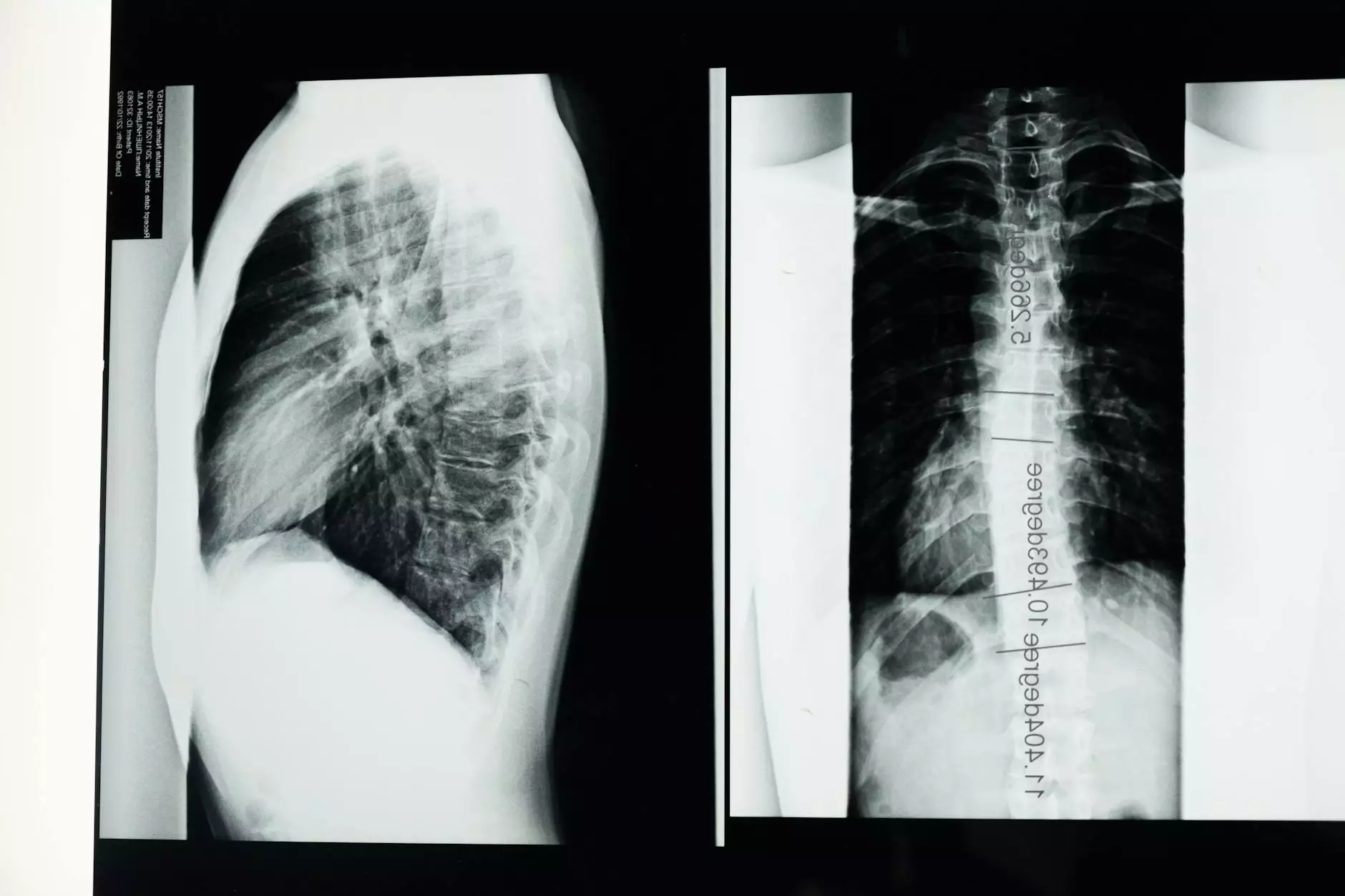
The human spine is a marvel of nature, composed of numerous structural units that work in harmony to provide stability and mobility. Among these vertebrae, the T4 and T5 play pivotal roles in maintaining the overall health of the spine. This article delves deeply into the anatomy, function, and common issues associated with these vertebrae, emphasizing their importance in the field of chiropractic care and medical health.
Anatomy of T4 and T5 Vertebrae
The thoracic spine consists of 12 vertebrae, labeled T1 to T12, each uniquely contributing to the structure and function of the spine. The T4 and T5 vertebrae are located in the middle section of the thoracic spine:
- T4 Vertebra: The fourth thoracic vertebra is positioned at the level of the heart, approximately at the level of the fourth ribs. It serves as a crucial attachment point for the rib cage.
- T5 Vertebra: The fifth thoracic vertebra is slightly below T4 and serves a similar purpose, supporting the rib cage and providing anchorage for muscles and ligaments.
Both T4 and T5 help protect vital organs such as the heart and lungs while allowing for movement and flexibility in the upper body.
Function of T4 and T5 Vertebrae
The primary functions of the T4 and T5 vertebrae are to:
- Support: They provide structural support to the thoracic region of the spine, maintaining posture and balance.
- Protect: These vertebrae shield the spinal cord and nerves that run through the vertebral foramen, crucial for transmitting signals to and from the brain.
- Facilitate Movement: T4 and T5 allow for the necessary twisting and bending of the torso, contributing to the mobility of the upper body.
Understanding the role of these vertebrae helps emphasize the importance of maintaining spinal health through proper care.
Common Issues Associated with T4 and T5
Injuries or conditions affecting the T4 and T5 vertebrae can lead to a range of health issues. Some common problems include:
- Kyphosis: This condition, characterized by an exaggerated forward rounding of the back, can influence the T4 and T5 vertebrae.
- Herniated Discs: Displacement of discs between these vertebrae can lead to nerve compression, causing pain and discomfort.
- Fractures: Osteoporosis or trauma can cause fractures in these vertebrae, resulting in severe pain and limited mobility.
- Muscle Strains: Strain or injury to the surrounding muscles can lead to myofascial pain in the area, affecting mobility and comfort.
The symptoms associated with these issues may vary, but they often manifest as back pain, stiffness, or radiating pain in the arms and shoulders.
Signs and Symptoms of T4 and T5 Issues
Identifying problems with the T4 and T5 vertebrae is crucial for timely intervention. Common signs and symptoms include:
- Pain: Persistent pain in the upper back or chest area.
- Tightness: Stiffness in the thoracic region, affecting mobility.
- Numbness: Tingling or numb sensations radiating into the arms and hands.
- Headaches: Tension-related headaches due to poor posture associated with thoracic spine issues.
If you are experiencing any of these symptoms, consulting with a chiropractor or healthcare provider is essential for an accurate diagnosis and treatment plan.
Chiropractic Care for T4 and T5 Issues
Chiropractic care is often a valuable treatment option for conditions affecting the T4 and T5 vertebrae. Chiropractors employ various techniques to enhance spinal health, such as:
- Spinal Adjustments: Manual manipulations to realign the vertebrae, relieve pain, and improve mobility.
- Physical Therapy: Customized exercise programs designed to strengthen the muscles supporting the spine.
- Postural Training: Educating patients on proper body mechanics can prevent future injuries.
- Massage Therapy: Helps relieve muscle tension in the surrounding regions.
These treatments aim to restore proper alignment, improve function, and enhance the quality of life for patients suffering from spinal issues.
Preventive Measures for Spine Health
Maintaining spinal health is crucial, especially for the T4 and T5 vertebrae. Here are some preventive measures that can be taken:
- Exercise Regularly: Engaging in low-impact exercises, such as walking or swimming, can strengthen your back muscles.
- Maintain Good Posture: Be mindful of your posture, especially while sitting or lifting heavy objects.
- Ergonomic Workspaces: Set up workstations that promote healthy posture.
- Stay Hydrated: Drinking enough water is necessary to keep spinal discs hydrated and healthy.
- Regular Chiropractic Visits: Routine check-ups with a chiropractor can help identify issues before they become severe.
Implementing these strategies can significantly reduce the risk of developing issues related to the T4 and T5 vertebrae.
Final Thoughts on T4 and T5 Vertebrae
The T4 and T5 vertebrae are fundamental to maintaining a healthy spine, and understanding their function can empower individuals to take an active role in their spinal health. Early intervention through chiropractic care can alleviate issues, promote recovery, and enhance overall well-being.
For more information on how to maintain spinal health and learn about the services provided by IAOM in the realm of chiropractic care, including tailored treatment plans for specific spinal issues, please visit IAOM-US.com.
Contact Us
If you are experiencing discomfort in the thoracic region or have more questions about T4 and T5 spinal health, do not hesitate to reach out to our expert team at IAOM. Your health and well-being are our top priorities.
spine t4 and t5