Firewood: The Ultimate Guide to Quality Fuel for Your Home
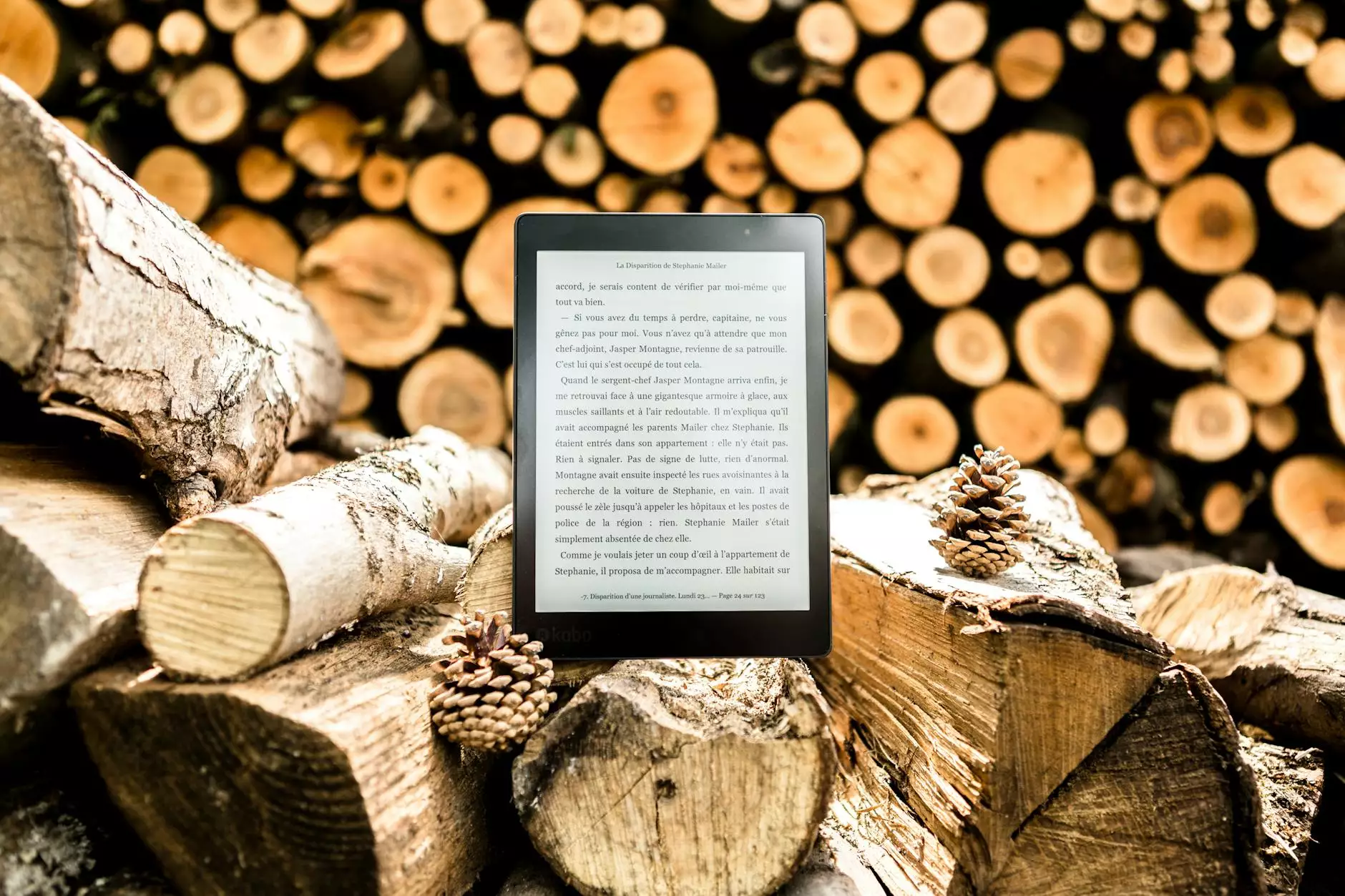
Firewood has been an essential resource for warmth and cooking throughout history. In today's modern world, the charm of a crackling fire remains a significant draw for many homeowners. The right type of firewood can not only enhance your fire experience but also keep your home safe and cozy during the cold months. This article provides a comprehensive overview of firewood, including the best types, tips for purchasing, and suggestions for storage and burning.
Why Firewood Matters
Firewood is not just a source of heat; it's a multifaceted asset that provides environmental benefits, economic advantages, and adds to the aesthetic of your home. Here are several important reasons why firewood is a valuable addition to any household:
- Renewable Resource: Firewood is a sustainable resource when sourced responsibly from managed forests.
- Cost-Effective Heating: Using firewood can significantly reduce heating costs compared to fossil fuels.
- Environmentally Friendly: Burning firewood produces lower carbon emissions than other heating methods when sourced sustainably.
- Enhanced Home Atmosphere: A fire creates a warm, inviting ambiance, perfect for gatherings.
- Cooking and Food Preparation: Firewood is vital for outdoor grilling and traditional cooking methods.
The Types of Firewood
Not all firewood is created equal. Knowing the difference between hardwood and softwood, as well as recognizing the characteristics of various species, is crucial for making an informed choice. Here’s a breakdown:
1. Hardwoods
Hardwoods are from deciduous trees and are known for their high density, which translates into a longer burn time and greater heat output. They are ideal for heating your home:
- Oak: A popular choice, oak burns slowly and produces a long-lasting fire with minimal smoke.
- Maple: Burns hot and clean, making it a favorite among enthusiasts and ideal for cooking.
- Birch: Burns quickly and typically lights easily but provides a heat that’s both radiant and warming.
- Hickory: Known for its rich flavor, hickory is excellent for both heating and smoking meats.
2. Softwoods
Softwoods are derived from coniferous trees. While they ignite quickly and provide a fast, hot fire, they burn faster than hardwoods and can create more soot:
- Pine: Easy to ignite and burns quickly, but produces more creosote, which can build up in chimneys.
- Spruce: It lights easily and is great for kindling but offers a fast burn time.
- Cedar: Known for a pleasant aroma, cedar burns quickly and is great for kindling, especially for outdoor fires.
Choosing the Right Firewood
When it comes to choosing firewood, several factors should influence your decision:
1. Moisture Content
A critical aspect of firewood quality is its moisture content. Firewood should be seasoned, or dried, to about 20% moisture for optimal burning. Green or wet wood is difficult to ignite and produces excessive smoke.
2. Source and Sustainability
Where you purchase your firewood matters considerably. Choose suppliers like Wood Trans that prioritize sustainable sourcing to ensure you are contributing positively to the environment.
3. Availability
Consider what types of firewood are available in your region. Local species are often less expensive and easier to source. Research your options to avoid overpaying for transportation costs.
Purchasing Firewood
When purchasing firewood, ensure you are aware of several key aspects to get the best quality:
- Measure by Cord: Firewood is often sold by the cord— a stack measuring 128 cubic feet. Make sure you understand how much volume you are purchasing.
- Check for Seasoning: Ask suppliers how long the wood has been seasoned. Ideally, seasoned wood should be at least six months old.
- Inspect for Quality: Look for firewood that is intact, without excessive bark or mold. Quality wood should feel light and have visible cracks.
Storing Firewood
Proper storage is essential to maintain the quality of your firewood:
1. Elevation
Keep your firewood elevated off the ground to prevent it from absorbing moisture from the soil. This can be done using pallets or firewood racks.
2. Covering
Cover your firewood to protect it from rain and snow, but avoid wrapping it tightly. It’s essential to allow airflow to keep the wood dry. Tarps or plastic sheeting can be effective.
3. Location
Store your firewood at least 20 feet away from your home to reduce the risk of pest infestations. Ideally, keep it in a dry, well-ventilated area.
Burning Firewood Safely
To enjoy the benefits of firewood with minimal risks, adhere to safety practices:
- Use a Good Fireplace or Stove: Ensure your fireplace or wood stove is well-maintained and certified to minimize smoke and emissions.
- Always Ensure Proper Ventilation: Keep your space well-ventilated to ensure smoke exits properly and to prevent carbon monoxide buildup.
- Never Burn Treated or Painted Wood: Chemicals in treated wood can release harmful fumes when burned.
Conclusion
Firewood is an essential resource that provides warmth, nostalgia, and capability for cooking and ambiance. Choosing the right type of firewood, understanding its characteristics, how to store it properly, and following safety practices are vital parts of adopting firewood as an integral part of your home. For those looking for quality and reliable firewood, check out Wood Trans for some fantastic options to keep your fires burning bright.
As you venture into the world of firewood, remember to embrace the benefits of sustainable practices, ensure quality sourcing, and enjoy the unmatched experience that comes with a wood fire in your home. Whether it's a cozy winter evening or an outdoor barbecue, the right firewood will set the stage for memories that last a lifetime.
https://wood-trans.com/