The Essential Role of Medical Trucks in Modern Healthcare
The landscape of healthcare is constantly evolving, and one of the most transformative components of this evolution is the introduction and utilization of medical trucks. These mobile clinical units are becoming indispensable tools in delivering healthcare services, particularly in underserved areas. In this comprehensive article, we will explore the multifaceted benefits of medical trucks, their applications in various medical fields, and how they are reshaping patient care and health service delivery.
Understanding Medical Trucks: An Overview
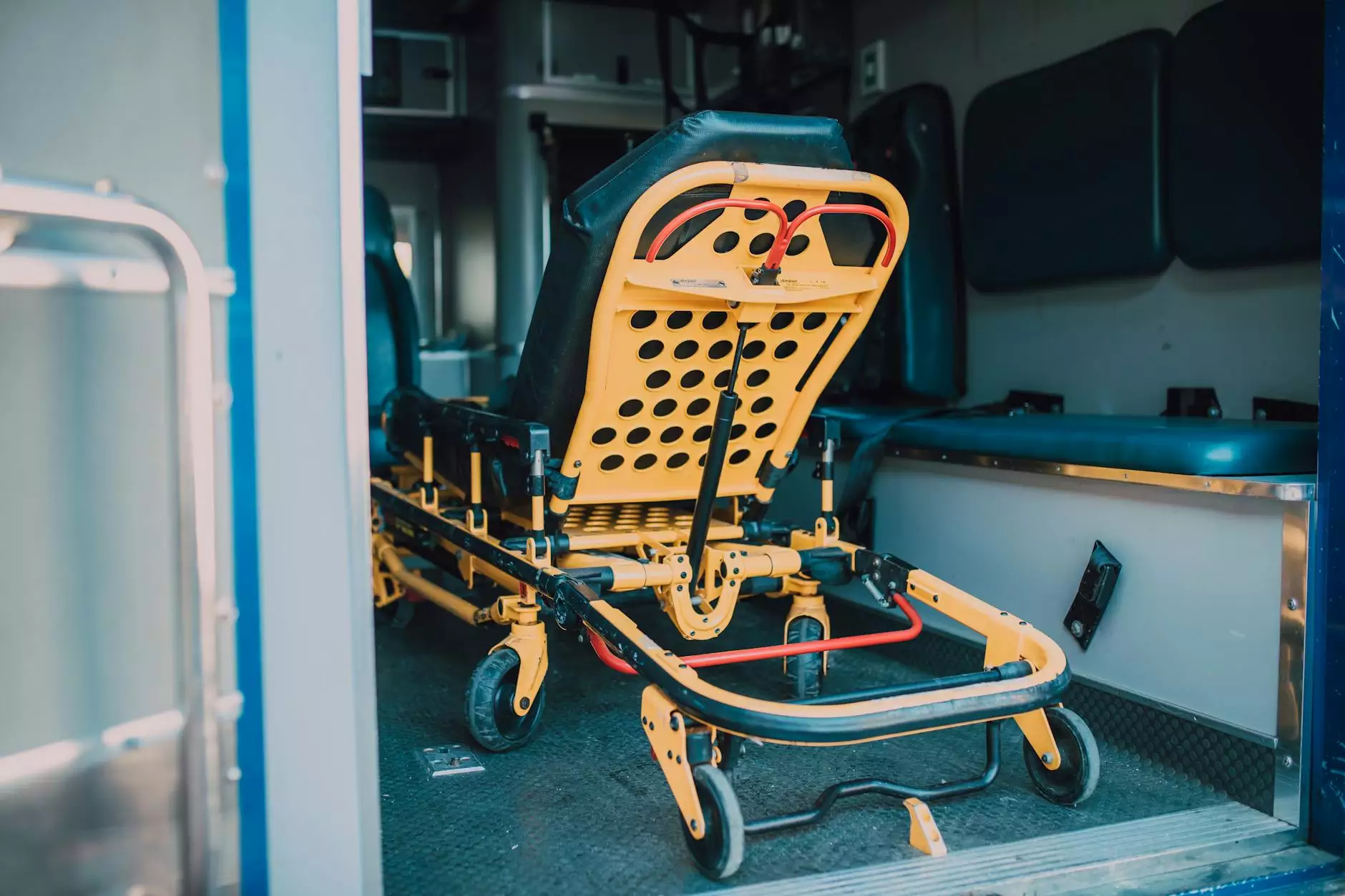
Medical trucks are specially designed vehicles equipped with advanced medical technology and supplies. They offer a wide range of healthcare services, from routine check-ups to emergency medical care. These trucks are equipped to operate in various environments, ensuring that quality care is accessible regardless of location.
Key Features of Medical Trucks
- Mobile Clinics: Many medical trucks function as mobile clinics, providing essential health services such as vaccinations, screenings, and primary care.
- Telehealth Capabilities: Equipped with telecommunication technology, these trucks can connect patients with remote specialists and improve the overall quality of care.
- Advanced Medical Equipment: From diagnostic tools to emergency response gear, medical trucks are outfitted with the latest technology to support various medical needs.
- Accessibility & Portability: Medical trucks can be deployed to any area, making them ideal for rural or disaster-stricken regions where health facilities may not be readily accessible.
The Impact of Medical Trucks on Patient Care
The integration of medical trucks into healthcare systems has significantly improved patient care. Here are some of the primary impacts:
1. Increased Accessibility to Healthcare Services
One of the most notable advantages of medical trucks is their ability to extend healthcare access to remote or underserved populations. By bringing medical services directly to patients, these mobile units help alleviate barriers such as transportation costs, long travel distances, and time constraints.
2. Emergency Response and Disaster Relief
In times of crisis, such as natural disasters or pandemics, medical trucks can be deployed quickly to provide immediate medical assistance. They can serve as temporary hospitals, triage centers, or vaccination sites, thus playing a crucial role in emergency responses. For example, during the COVID-19 pandemic, medical trucks were instrumental in rolling out testing and vaccinations in communities.
3. Tailored Healthcare Solutions
Medical trucks can be customized to address the specific health needs of a community. For instance, some trucks focus on maternal and child health, while others are equipped for mental health services. This tailored approach ensures that healthcare providers effectively meet the diverse needs of the populations they serve.
Applications of Medical Trucks in Different Medical Fields
Medical trucks serve various functions across multiple healthcare fields. Here are a few prominent applications:
1. Preventive Care and Screenings
Routine screenings for chronic diseases such as diabetes, hypertension, and cancer are more accessible through medical trucks. They can conduct health fairs and community outreach events, helping to detect health issues early and educate communities about health maintenance.
2. Vaccine Distribution
Vaccination campaigns are crucial in maintaining public health. Medical trucks facilitate the distribution of vaccines, especially in regions where clinics may not be readily available. Their mobility ensures that communities remain protected from preventable diseases.
3. Mental Health Services
Mental health care can often be stigmatized or difficult to access. Medical trucks can provide safe spaces for mental health screenings, counseling, and support groups in a familiar environment, thereby reducing stigma and increasing service uptake.
Case Studies: Medical Trucks Making a Difference
Across the globe, there are many instances where medical trucks have made significant contributions to public health. Here are a couple of inspiring case studies:
1. Operation Use Our Noodle (OUN) - USA
In the United States, the OUN program utilizes a fleet of medical trucks to deliver mobile health services to underserved urban communities. They provide health education, screenings, and access to a range of health services. Since its inception, OUN has significantly improved health outcomes in the regions served.
2. Médecins Sans Frontières (Doctors Without Borders) - Global
Internationally, organizations like Médecins Sans Frontières have utilized medical trucks to respond to health crises in conflict zones. These mobile units offer crucial medical care in challenging environments, proving to be life-saving for many.
The Future of Medical Trucks in Healthcare
The future of medical trucks looks promising as advancements in technology and an increasing awareness of healthcare disparities drive innovation. Here are some trends that may shape the future of mobile health care:
1. Integration of AI and Data Analytics
As artificial intelligence (AI) and data analytics become more accessible, medical trucks will likely incorporate these technologies to enhance decision-making and patient care. AI can help in predicting health trends and tailoring services to community needs.
2. Sustainable Practices
With a growing emphasis on sustainability, the future of medical trucks may involve eco-friendly practices. Solar panels, electric vehicles, and sustainable waste management systems can make these units more environmentally responsible.
3. Expanded Telehealth Services
The integration of telehealth services into medical trucks will become increasingly important, allowing patients to consult with specialists in real-time. This will not only enhance service delivery but also reduce the burden on health infrastructure.
Conclusion: The Pivotal Role of Medical Trucks in Modern Healthcare
In conclusion, medical trucks are revolutionizing the way healthcare is delivered, making services more accessible and efficient. Their ability to cater to the specific needs of communities, respond to emergencies, and integrate technology paves the way for improved health outcomes. As we continue to innovate and adapt our healthcare systems, it is essential to recognize and support the invaluable role that medical trucks play in bridging the gap in health service delivery. The future of healthcare is mobile, and medical trucks are leading the way.
For more information on medical trucks and the services they offer, please visit odulair.com.