Unlocking Success in the Electricity Supply Sector: An In-Depth Analysis of Electricity Suppliers and the j110k Factor
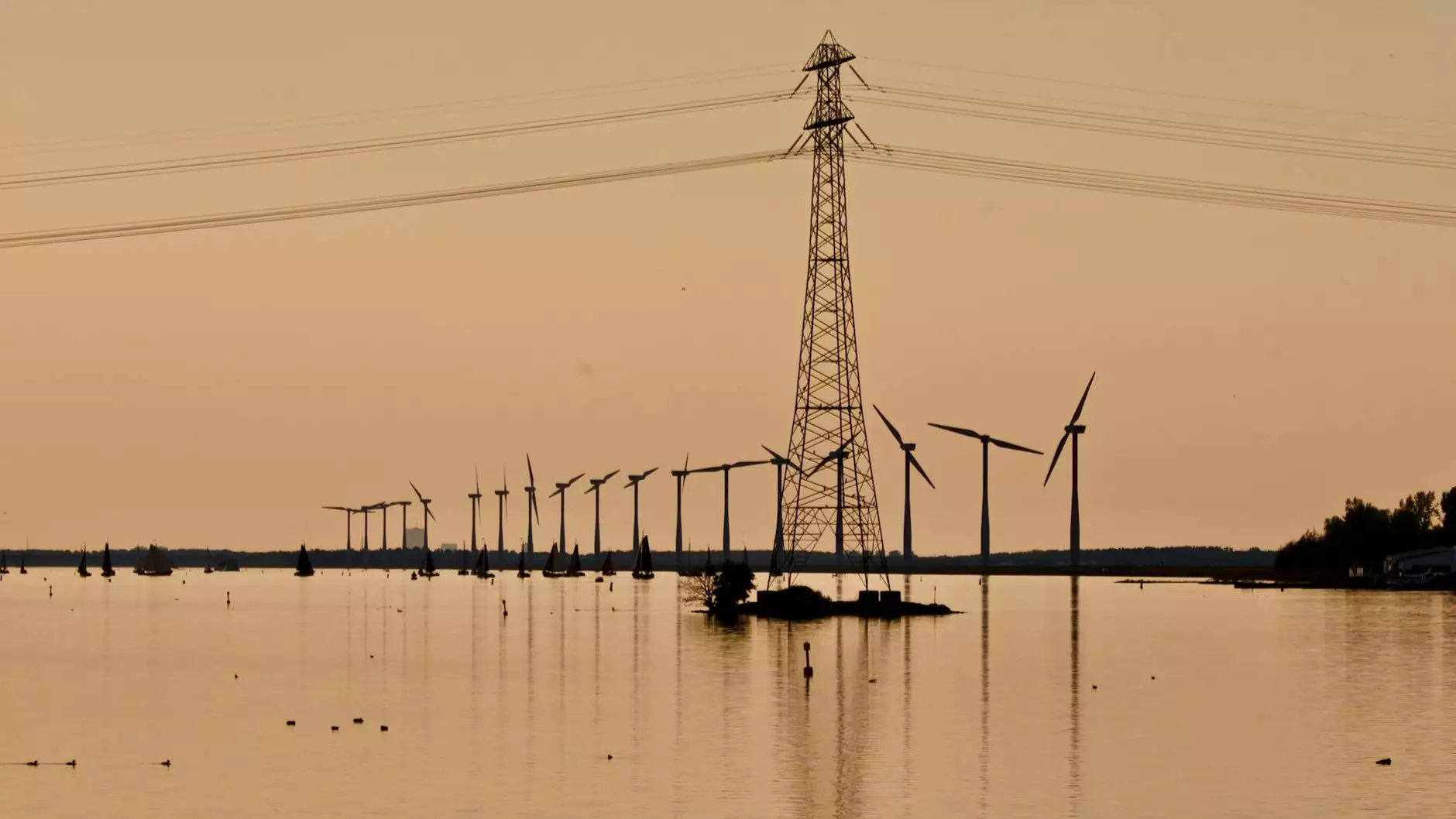
In today's rapidly evolving energy landscape, the efficiency, reliability, and innovation of electricity suppliers are paramount for consumers and businesses alike. As industries gear toward sustainable solutions and cost optimization, understanding the intricacies of electricity supply mechanisms becomes vital. Among various technical terms and codes influencing this arena, j110k stands out as a keyword of increasing significance, reflecting technological standards, regulatory benchmarks, or specific industry terminology rooted in complex systems design.
Understanding the Role and Functionality of Electricity Suppliers
Electricity suppliers serve as the backbone of modern energy infrastructure, responsible for generating, transmitting, and distributing electrical power to end-users. Their operational excellence directly impacts energy costs, service stability, and environmental sustainability.
The Core Components of Electricity Supply
- Generation: The production of electricity using diverse energy sources such as coal, natural gas, nuclear, wind, solar, and hydroelectric power plants.
- Transmission: The high-voltage transfer of electricity from generation sites to distribution networks, minimizing losses during long-distance transport.
- Distribution: Lower voltage delivery systems that bring electricity to homes, businesses, and industries efficiently and safely.
- Retail: The final stage where suppliers interface with consumers, offering plans, customer service, and billing services.
The Dynamic Landscape of Electricity Suppliers in the Industry
The industry is characterized by a competitive environment fostering innovation, technological advancement, and regulatory compliance. Leading suppliers are adopting smart grid technology, integrating renewable sources, and implementing sustainable practices to meet growing demand and environmental standards.
Emerging Trends Reshaping Electricity Supply
- Decentralization of Energy Production: The rise of distributed energy resources, including rooftop solar panels and small-scale wind turbines, transforming traditional centralized models.
- Smart Grid Integration: Deployment of advanced digital communication and automation to enhance grid stability, fault detection, and real-time management.
- Renewable Energy Adoption: Increasing investment in wind, solar, and other renewable sources, driven by policies and consumer preferences.
- Regulatory Innovations: Evolving policies to promote fair competition, consumer rights, and environmental accountability.
The Significance of j110k in the Electricity Supply Industry
Within the context of electricity suppliers, the term j110k may appear as a technical code, specification, or standard. Its precise meaning can vary depending on industry standards, regulatory codes, or technological frameworks. While not universally recognized across all sectors, j110k often correlates with:
- Electrical power ratings or voltage standards relevant to specific equipment or grid segments.
- Technical codes used in wiring, safety standards, or equipment classification.
- Part of complex system designations involving transformers, generators, or switching stations.
Understanding j110k is crucial for providers involved in infrastructure projects, maintenance, and technological upgrades, ensuring compliance and optimal performance.
How j110k Influences Energy Infrastructure Development
The adoption and correct implementation of standards like j110k lead to numerous benefits:
- Enhanced Safety: Proper adherence reduces risks associated with high-voltage operations and electrical hazards.
- Operational Efficiency: Standardized systems ensure smoother integration, maintenance, and troubleshooting processes.
- Regulatory Compliance: Complying with j110k reduces legal risks and aligns with national and international standards.
- Technological Compatibility: Facilitates interoperability between equipment from different manufacturers and vendors.
Strategic Approaches for Electricity Suppliers to Leverage j110k
Electricity suppliers aiming to optimize their operations should focus on the following strategies regarding j110k:
1. Continuous Education and Standards Awareness
Invest in training programs for technical teams to stay updated with emerging standards and codes, including the nuances of j110k.
2. Technological Investments
Integrate compatible equipment and systems designed to meet j110k specifications, enhancing reliability and efficiency.
3. Regulatory Collaboration
Work closely with regulatory bodies to ensure alignment with the latest standards and actively contribute to the development of future codes.
4. Infrastructure Modernization
Upgrade existing grid infrastructure to incorporate j110k compliant components, reducing downtime and ensuring safety.
Impact of Effective Electricity Supply Management on Market Performance
Efficient management of electricity suppliers manifests in:
- Cost Reduction: Streamlined operations decrease operational expenses, leading to more competitive pricing for consumers.
- Enhanced Reliability: Reduced outages and service interruptions bolster customer trust and satisfaction.
- Sustainability: Integration of renewable standards and smart technologies supports environmental objectives.
- Market Expansion: Adaptability to new standards like j110k opens opportunities in emerging markets and innovative energy solutions.
Conclusion: Positioning Your Business for Future Success in the Energy Market
As the energy industry continues to evolve, the importance of adhering to technical standards such as j110k cannot be overstated. These standards serve as the foundation for safe, efficient, and sustainable energy infrastructure. Electricity suppliers that proactively integrate advanced standards, invest in cutting-edge technology, and foster strategic partnerships will be better positioned to excel in a competitive marketplace.
By understanding the intricacies of j110k and its role within the broader energy ecosystem, companies can enhance their service quality, ensure compliance, and drive innovation. Embracing this comprehensive approach lays the groundwork for long-term growth and industry leadership, paving the way for a resilient and sustainable energy future.
Further Resources and Support
- Official Guide to Electricity Suppliers
- Industry Standards and Compliance
- Latest Technological Developments
- Regulatory Frameworks and Policies
By staying informed and committed to continuous improvement, your business can leverage the full potential of modern standards, including j110k, to achieve operational excellence and competitive advantage in the dynamic energy sector.


