Comprehensive Guide on How Much Bacteriostatic Water to Mix with Semaglutide
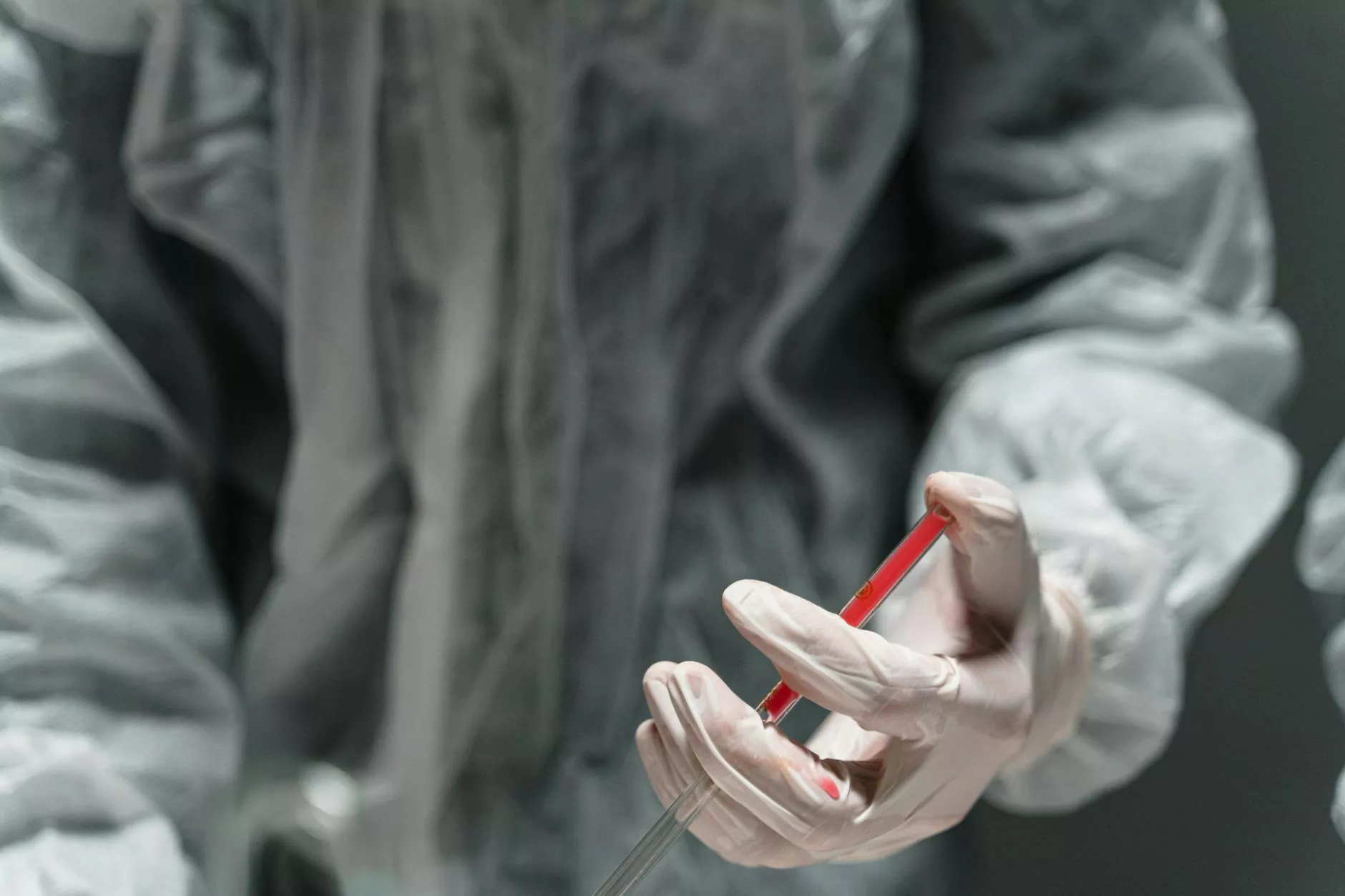
If you're exploring options for enhancing your health and weight management routines, understanding how much bacteriostatic water to mix with semaglutide is crucial. Semaglutide has gained widespread popularity due to its potent effects on appetite suppression and blood sugar regulation. However, proper reconstitution techniques are essential to ensure safety, efficacy, and optimal results. This detailed guide provides everything you need to know about mixing semaglutide with bacteriostatic water, including dosages, safety precautions, and expert tips to optimize your health journey.
Understanding Semaglutide and Its Uses
Semaglutide is a glucagon-like peptide-1 (GLP-1) receptor agonist originally developed for managing type 2 diabetes. Over time, its potent weight loss effects have garnered attention both from health professionals and individuals seeking to improve their physique. It works by mimicking the body's natural GLP-1 hormone, thereby enhancing insulin secretion, reducing glucagon production, slowing gastric emptying, and suppressing appetite.
The growing popularity of semaglutide stems from clinical studies demonstrating significant weight loss, improved metabolic health, and enhanced quality of life. Its applications extend across medically supervised weight management programs and off-label use among those seeking non-surgical weight loss strategies.
The Importance of Proper Reconstitution of Semaglutide
Before administering semaglutide, it must be properly reconstituted from a powdered form into a liquid solution suitable for injection. Proper reconstitution ensures accurate dosing, preserves medication stability, and minimizes the risk of contamination or infection.
Bacteriostatic water is the recommended diluent because it contains preserved antimicrobial agents, allowing multiple withdrawals from the vial without compromising sterility. It is essential to use sterile techniques when reconstituting semaglutide to prevent infections and ensure medication integrity.
How Much Bacteriostatic Water to Mix with Semaglutide?
The question of "how much bacteriostatic water to mix with semaglutide" depends on the desired concentration for individual use, prescribed dosing protocols, and specific product instructions. Although professional medical guidance is ideally sought, here is a detailed overview to help you understand typical practices.
Standard Reconstitution Protocols
- Vial Size: Semaglutide is often supplied in 1 mg, 2 mg, or 4 mg vials.
- Common Bacteriostatic Water Volume: For a 2 mg vial, many protocols recommend using between 1 mL to 2 mL of bacteriostatic water.
- Resulting Concentration: - Using 1 mL results in a concentration of approximately 2 mg/mL. - Using 2 mL results in about 1 mg/mL.
Optimal Ratios and Dosage Considerations
The optimal mixture ratio hinges on your prescribed dose and personal preferences. For example:
- If your goal is a 0.25 mg dose per injection, and your reconstituted solution is at 2 mg/mL, you would draw 0.125 mL for each injection.
- If your dose is higher, say 0.5 mg per injection, you would draw 0.25 mL from a solution at 2 mg/mL.
- Adjust the volume of bacteriostatic water accordingly to obtain your desired concentration, always ensuring precise measurement.
Step-by-Step Guide on Reconstituting Semaglutide with Bacteriostatic Water
Materials Needed
- Semaglutide powder vial
- Vial of bacteriostatic water
- Alcohol swabs
- Syringe with fine needle (preferably 1 mL or smaller)
- Alcohol wipes
- Disposal container for sharps
Procedure
- Begin by disinfecting the rubber stopper of both vials with alcohol swabs.
- Draw the prescribed amount of bacteriostatic water into the syringe. For example, 1 mL or 2 mL depending on your desired concentration.
- Inject the bacteriostatic water slowly into the semaglutide vial, aiming the stream against the vial wall to prevent foaming or denaturation.
- Gently swirl the vial until the powder dissolves completely; do not shake vigorously to preserve peptide integrity.
- Label the vial with the date of reconstitution and store it in the refrigerator, typically between 2°C and 8°C (36°F and 46°F).
- Ensure the solution is clear, free of particulates, and properly labeled before use.
Safety Tips and Best Practices
- Always follow medical guidance and professional recommendations when reconstituting and administering semaglutide.
- Use sterile, single-use syringes and needles to prevent contamination.
- Store reconstituted semaglutide in a refrigerator away from direct light and heat sources.
- Discard unused medication after the expiration date or if it becomes cloudy or discolored.
- Wash your hands thoroughly before preparing injections.
- Always inject in the recommended sites—such as the abdomen, thigh, or upper arm—for best absorption and minimal discomfort.
Understanding the Risks and Precautions
While semaglutide offers significant health benefits, improper mixing or administration can lead to adverse effects or reduced effectiveness. Some key precautions include:
- ensuring that the correct dose is measured and administered.
- avoiding sharing needles or syringes to prevent infections.
- consulting health professionals if you experience side effects like nausea, vomiting, or severe allergic reactions.
- being aware of contraindications, especially if you have a history of pancreatitis, medullary thyroid carcinoma, or hypersensitivity.
Implications of Incorrect Mixing and How to Avoid Them
Incorrect mixing ratios can compromise the stability of semaglutide, lead to inaccurate dosing, or cause undesirable side effects. To avoid these pitfalls:
- Always measure bacteriostatic water and the medication precisely using calibrated syringes.
- Follow manufacturer instructions or professional protocols strictly.
- Consult healthcare providers if you're unsure about proportions or technique.
- Never dilute semaglutide with tap water, normal saline, or other non-sterile liquids.
Professional Guidance and When to Seek Help
If you're considering using semaglutide for weight management or metabolic health, consulting with licensed healthcare professionals and nutritionists is vital. They can help you determine appropriate dosages, ensure safe reconstitution, and monitor your progress.
Remember, self-medicating carries risks; always prioritize safety, proper technique, and professional oversight to maximize benefits and minimize potential hazards.
Conclusion
Understanding how much bacteriostatic water to mix with semaglutide plays a pivotal role in ensuring safe, effective treatment. Proper reconstitution, accurate dosing, and adherence to safety protocols can significantly enhance your health outcomes. Whether you are a healthcare professional or an individual engaged in a supervised health regimen, following these comprehensive guidelines will help you achieve optimal results with semaglutide.
For further assistance, expert advice, or purchasing high-quality semaglutide and sterile supplies, visit skinny-quick.net — your trusted source in the Nutritionists and Pharmacy categories.
Always remember: Safety first! Consult licensed medical professionals for personalized guidance tailored to your health profile and goals.